Create a study space.
It’s great if you have a desk for studying, but a table will also work great. Make sure your space has good lighting and remove any clutter or distractions that might break your focus. Place the materials you need to study, like pens, highlighters, and a notebook, near the area so they’re handy. It’s great if you have a desk for studying, but a table will also work great. Make sure your space has good lighting and remove any clutter or distractions that might break your focus. Place the materials you need to study, like pens, highlighters, and a notebook, near the area so they’re handy.
Create a study space.
Set up your study space.

- It’s great if you have a desk for studying, but a table will also work great.
- Make sure your space has good lighting and remove any clutter or distractions that might break your focus.
- Place the materials you need to study, like pens, highlighters, and a notebook, near the area so they’re handy.
- It’s great if you have a desk for studying, but a table will also work great.
- Make sure your space has good lighting and remove any clutter or distractions that might break your focus.
Create a study space. — 2

- It’s great if you have a desk for studying, but a table will also work great.
- Make sure your space has good lighting and remove any clutter or distractions that might break your focus.
- Place the materials you need to study, like pens, highlighters, and a notebook, near the area so they’re handy.
Create a study space. — 3

- It’s great if you have a desk for studying, but a table will also work great.
- Make sure your space has good lighting and remove any clutter or distractions that might break your focus.
- Place the materials you need to study, like pens, highlighters, and a notebook, near the area so they’re handy.
Create a schedule.
Create a daily study schedule for yourself.

- Rather than trying to do all your studies in 1 day, plan to study a little every day.
- Start by choosing the time of day when you feel the most focused.
- Then, decide which subjects you’ll study each day.
- Keep your study schedule in your agenda or somewhere you can see it every day.
- Rather than trying to do all your studies in 1 day, plan to study a little every day.
Create a schedule. — 2

- Rather than trying to do all your studies in 1 day, plan to study a little every day.
- Start by choosing the time of day when you feel the most focused.
- Then, decide which subjects you’ll study each day.
Create a schedule. — 3

- Rather than trying to do all your studies in 1 day, plan to study a little every day.
- Start by choosing the time of day when you feel the most focused.
- Then, decide which subjects you’ll study each day.
Organize your materials.
Organize your study materials so it's easy to find what you need.

- You probably have a lot to do, so you need to spend your time wisely.
- Keep all of your papers, notebooks, texts, and writing utensils in a specific place so you don’t waste precious study time looking for them.
- This way you can quickly pull out what you need and get started.
- You probably have a lot to do, so you need to spend your time wisely.
- Keep all of your papers, notebooks, texts, and writing utensils in a specific place so you don’t waste precious study time looking for them.
Organize your materials. — 2

- You probably have a lot to do, so you need to spend your time wisely.
- Keep all of your papers, notebooks, texts, and writing utensils in a specific place so you don’t waste precious study time looking for them.
- This way you can quickly pull out what you need and get started.
Organize your materials. — 3

- You probably have a lot to do, so you need to spend your time wisely.
- Keep all of your papers, notebooks, texts, and writing utensils in a specific place so you don’t waste precious study time looking for them.
- This way you can quickly pull out what you need and get started.
Remove distractions.
Remove distractions so you can stay focused on your studies.

- You’ll have an easier time focusing if there aren’t distractions around.
- Ask the people around you to not disturb you while you’re studying.
- Additionally, turn off your TV and silence your phone so you won’t be tempted to check it.
- You’ll have an easier time focusing if there aren’t distractions around.
- Ask the people around you to not disturb you while you’re studying.
Remove distractions. — 2

- You’ll have an easier time focusing if there aren’t distractions around.
- Ask the people around you to not disturb you while you’re studying.
- Additionally, turn off your TV and silence your phone so you won’t be tempted to check it.
Remove distractions. — 3
- You’ll have an easier time focusing if there aren’t distractions around.
- Ask the people around you to not disturb you while you’re studying.
- Additionally, turn off your TV and silence your phone so you won’t be tempted to check it.
Review your notes.
Review your notes at the end of each school day so everything is fresh.

- You'll likely need to re-read your notes a few times before they start to stick in your mind.
- Set aside a few minutes every day to go back over what you learned in all of your classes.
- It doesn't need to be a big block of time.
- You'll likely need to re-read your notes a few times before they start to stick in your mind.
- Set aside a few minutes every day to go back over what you learned in all of your classes.
Review your notes. — 2
- You'll likely need to re-read your notes a few times before they start to stick in your mind.
- Set aside a few minutes every day to go back over what you learned in all of your classes.
- It doesn't need to be a big block of time.
Review your notes. — 3

- You'll likely need to re-read your notes a few times before they start to stick in your mind.
- Set aside a few minutes every day to go back over what you learned in all of your classes.
- It doesn't need to be a big block of time.
Focus on key concepts.
Focus on key concepts rather than minor details.

- It’s easy to feel overwhelmed when you’re studying because there’s so much information to learn.
- You don’t need to memorize your notes and textbook to do well in class.
- Instead, study the main points that your instructor pointed out in class.
- Then, figure out how the minor details and examples in your notes or text help you better understand the main points.
- It’s easy to feel overwhelmed when you’re studying because there’s so much information to learn.
Focus on key concepts. — 2

- It’s easy to feel overwhelmed when you’re studying because there’s so much information to learn.
- You don’t need to memorize your notes and textbook to do well in class.
- Instead, study the main points that your instructor pointed out in class.
Focus on key concepts. — 3

- It’s easy to feel overwhelmed when you’re studying because there’s so much information to learn.
- You don’t need to memorize your notes and textbook to do well in class.
- Instead, study the main points that your instructor pointed out in class.
Read key notes out loud.
Read key information out loud to help commit it to memory.

- Reading aloud can help you remember something better, so use this strategy for important points.
- Go somewhere you won’t disturb anyone else.
- Then, slowly read your notes or the text to yourself to see if it helps you remember it.
- Reading aloud can help you remember something better, so use this strategy for important points.
- Go somewhere you won’t disturb anyone else.
Read key notes out loud. — 2

- Reading aloud can help you remember something better, so use this strategy for important points.
- Go somewhere you won’t disturb anyone else.
- Then, slowly read your notes or the text to yourself to see if it helps you remember it.
Read key notes out loud. — 3

- Reading aloud can help you remember something better, so use this strategy for important points.
- Go somewhere you won’t disturb anyone else.
- Then, slowly read your notes or the text to yourself to see if it helps you remember it.
Tailor your studies to your learning style.
Incorporate activities that fit your learning style.

- Figure out which learning style fits you most.
- Visual learners absorb more information when they can see it, auditory learners take in information by listening, and kinesthetic learners engage more with movement.
- Personalize your study sessions by using your learning style.
- Figure out which learning style fits you most.
- Visual learners absorb more information when they can see it, auditory learners take in information by listening, and kinesthetic learners engage more with movement.
Tailor your studies to your learning style. — 2

- Figure out which learning style fits you most.
- Visual learners absorb more information when they can see it, auditory learners take in information by listening, and kinesthetic learners engage more with movement.
- Personalize your study sessions by using your learning style.
Tailor your studies to your learning style. — 3
- Figure out which learning style fits you most.
- Visual learners absorb more information when they can see it, auditory learners take in information by listening, and kinesthetic learners engage more with movement.
- Personalize your study sessions by using your learning style.
Make connections to preexisting knowledge.
Look for links between what you’re learning and what you already know.

- Sometimes you might feel like what you’re learning in class has nothing to do with your real life, but that’s usually not true.
- Making connections between what you’re learning and what you already know can help deepen your understanding of the material and may help you remember it better.
- Try to brainstorm links between what you’re studying and something you’ve experienced.
- Sometimes you might feel like what you’re learning in class has nothing to do with your real life, but that’s usually not true.
- Making connections between what you’re learning and what you already know can help deepen your understanding of the material and may help you remember it better.
Make connections to preexisting knowledge. — 2

- Sometimes you might feel like what you’re learning in class has nothing to do with your real life, but that’s usually not true.
- Making connections between what you’re learning and what you already know can help deepen your understanding of the material and may help you remember it better.
- Try to brainstorm links between what you’re studying and something you’ve experienced.
Make connections to preexisting knowledge. — 3

- Sometimes you might feel like what you’re learning in class has nothing to do with your real life, but that’s usually not true.
- Making connections between what you’re learning and what you already know can help deepen your understanding of the material and may help you remember it better.
- Try to brainstorm links between what you’re studying and something you’ve experienced.
Create a study guide.
Rewrite your notes with extra information to create a study guide.

- Making a study guide helps you review the material and gives you something to review in future study sessions.
- Start by typing your notes into a blank document.
- Then, use your textbook and online resources to add to your existing notes.
- Additionally, answer questions from your textbook or ones that come to mind as you study.
- Making a study guide helps you review the material and gives you something to review in future study sessions.
Create a study guide. — 2
- Making a study guide helps you review the material and gives you something to review in future study sessions.
- Start by typing your notes into a blank document.
- Then, use your textbook and online resources to add to your existing notes.
Create a study guide. — 3
- Making a study guide helps you review the material and gives you something to review in future study sessions.
- Start by typing your notes into a blank document.
- Then, use your textbook and online resources to add to your existing notes.
Take a break.
Take a 10 to 15-minute break every hour you study.

- You want to use your time wisely, so you might think breaks are a bad idea.
- However, trying to focus on your studies for too long can cause fatigue.
- Instead, schedule breaks into your study sessions so you can burn off a little steam.
- When you come back, you’ll be refreshed and ready to pick back up where you left off.
- You want to use your time wisely, so you might think breaks are a bad idea.
Take a break. — 2

- You want to use your time wisely, so you might think breaks are a bad idea.
- However, trying to focus on your studies for too long can cause fatigue.
- Instead, schedule breaks into your study sessions so you can burn off a little steam.
Take a break. — 3

- You want to use your time wisely, so you might think breaks are a bad idea.
- However, trying to focus on your studies for too long can cause fatigue.
- Instead, schedule breaks into your study sessions so you can burn off a little steam.
Eat a healthy snack.
Eat healthy snacks to energize your mind.

- Snacking while you study can help you stay focused and might help you study longer.
- Just make sure you choose healthy snacks over junk food.
- Keep your snacks near your study space or grab them when you take a study break.
- Here are some snacks that can help you stay focused while you study:
- Snacking while you study can help you stay focused and might help you study longer.
Eat a healthy snack. — 2

- Snacking while you study can help you stay focused and might help you study longer.
- Just make sure you choose healthy snacks over junk food.
- Keep your snacks near your study space or grab them when you take a study break.
Eat a healthy snack. — 3

- Snacking while you study can help you stay focused and might help you study longer.
- Just make sure you choose healthy snacks over junk food.
- Keep your snacks near your study space or grab them when you take a study break.
Alternate subjects.
Alternate subjects so you don’t get burned out.
- Try not to study 1 subject for too long because you’ll probably get bored after a while.
- Unfortunately, this can make it harder for you to remember what you’ve studied.
- Instead, set time limits for how long you’ll focus on each subject, then switch to something else.
- Try not to study 1 subject for too long because you’ll probably get bored after a while.
- Unfortunately, this can make it harder for you to remember what you’ve studied.
Alternate subjects. — 2

- Try not to study 1 subject for too long because you’ll probably get bored after a while.
- Unfortunately, this can make it harder for you to remember what you’ve studied.
- Instead, set time limits for how long you’ll focus on each subject, then switch to something else.
Alternate subjects. — 3

- Try not to study 1 subject for too long because you’ll probably get bored after a while.
- Unfortunately, this can make it harder for you to remember what you’ve studied.
- Instead, set time limits for how long you’ll focus on each subject, then switch to something else.
Make flash cards.
Make flash cards
- for the information you need to memorize.
- You can use flash cards for most subjects, and they can be a great tool for testing yourself.
- Use flashcards to learn vocabulary, mathematical formulas, historical dates and figures, scientific facts and processes, etc.
- You can make your own cards or print some online.
- Then, flip through your cards to test your knowledge.
Make flash cards. — 2

- for the information you need to memorize.
- You can use flash cards for most subjects, and they can be a great tool for testing yourself.
- Use flashcards to learn vocabulary, mathematical formulas, historical dates and figures, scientific facts and processes, etc.
Make flash cards. — 3

- for the information you need to memorize.
- You can use flash cards for most subjects, and they can be a great tool for testing yourself.
- Use flashcards to learn vocabulary, mathematical formulas, historical dates and figures, scientific facts and processes, etc.
Make a mind map.
Create a mind map

- to organize the information you’re learning.
- Mind maps can help you make connections between what you’re learning.
- Start by drawing a circle and writing the topic inside the circle.
- Then, draw spokes away from the center circle and draw circles at the end of each spoke.
- Inside those circles, write the main points you’ve learned about the topic so far.
Make a mind map. — 2
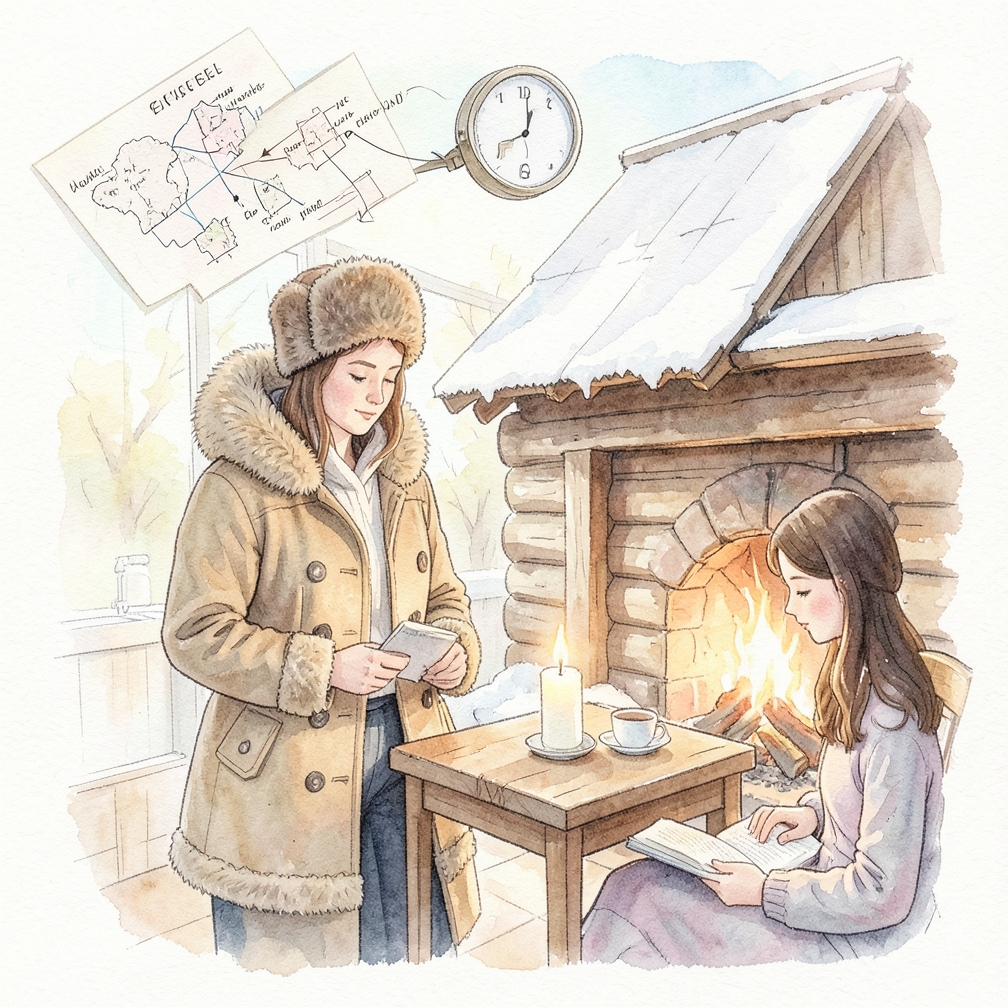
- to organize the information you’re learning.
- Mind maps can help you make connections between what you’re learning.
- Start by drawing a circle and writing the topic inside the circle.
Make a mind map. — 3

- to organize the information you’re learning.
- Mind maps can help you make connections between what you’re learning.
- Start by drawing a circle and writing the topic inside the circle.
Use online resources.
Use online tutorials if you’re struggling with the material.

- You might not understand every subject right away, and that’s totally okay.
- Luckily, you can find study guides and video tutorials online that can help you study better.
- Look for study help as soon as you start having trouble so you can get the help you need.
- You might not understand every subject right away, and that’s totally okay.
- Luckily, you can find study guides and video tutorials online that can help you study better.
Use online resources. — 2

- You might not understand every subject right away, and that’s totally okay.
- Luckily, you can find study guides and video tutorials online that can help you study better.
- Look for study help as soon as you start having trouble so you can get the help you need.
Use online resources. — 3

- You might not understand every subject right away, and that’s totally okay.
- Luckily, you can find study guides and video tutorials online that can help you study better.
- Look for study help as soon as you start having trouble so you can get the help you need.
Get a full night of sleep.
Sleep 8-10 hours a night so you’re well-rested.
- Teens aged 14- to 17-years-old need at least 8 hours of sleep every night for good health.
- If you are sleep deprived, studying will feel like a chore.
- You won't learn nearly as much information sleepy as you will after a good night's rest.
- Teens aged 14- to 17-years-old need at least 8 hours of sleep every night for good health.
- If you are sleep deprived, studying will feel like a chore.
Get a full night of sleep. — 2

- Teens aged 14- to 17-years-old need at least 8 hours of sleep every night for good health.
- If you are sleep deprived, studying will feel like a chore.
- You won't learn nearly as much information sleepy as you will after a good night's rest.
Get a full night of sleep. — 3

- Teens aged 14- to 17-years-old need at least 8 hours of sleep every night for good health.
- If you are sleep deprived, studying will feel like a chore.
- You won't learn nearly as much information sleepy as you will after a good night's rest.
Test yourself.
Test yourself to review what you’ve studied.

- At the end of each study session, set aside 15-20 minutes for a self-test of the material.
- Do a practice test if you can, but you can also flip through your flashcards or block off parts of your notes to see if you can remember the information.
- This can help you retain more of what you studied and helps you identify the material you need to study again.
- At the end of each study session, set aside 15-20 minutes for a self-test of the material.
- Do a practice test if you can, but you can also flip through your flashcards or block off parts of your notes to see if you can remember the information.
Test yourself. — 2

- At the end of each study session, set aside 15-20 minutes for a self-test of the material.
- Do a practice test if you can, but you can also flip through your flashcards or block off parts of your notes to see if you can remember the information.
- This can help you retain more of what you studied and helps you identify the material you need to study again.
Test yourself. — 3

- At the end of each study session, set aside 15-20 minutes for a self-test of the material.
- Do a practice test if you can, but you can also flip through your flashcards or block off parts of your notes to see if you can remember the information.
- This can help you retain more of what you studied and helps you identify the material you need to study again.
Avoid cramming for tests.
Don’t cram for tests because it likely won’t work.

- Like most people, you’ll need a few days for the material to really sink in, so studying a bunch the night before a test likely won’t work out.
- Chances are, you’ll forget most of what you study during your cram session.
- Instead, stick to the study schedule you made for yourself so you can learn a little at a time.
- Like most people, you’ll need a few days for the material to really sink in, so studying a bunch the night before a test likely won’t work out.
- Chances are, you’ll forget most of what you study during your cram session.
Avoid cramming for tests. — 2

- Like most people, you’ll need a few days for the material to really sink in, so studying a bunch the night before a test likely won’t work out.
- Chances are, you’ll forget most of what you study during your cram session.
- Instead, stick to the study schedule you made for yourself so you can learn a little at a time.
Avoid cramming for tests. — 3

- Like most people, you’ll need a few days for the material to really sink in, so studying a bunch the night before a test likely won’t work out.
- Chances are, you’ll forget most of what you study during your cram session.
- Instead, stick to the study schedule you made for yourself so you can learn a little at a time.
Teach someone else the material.
Teach the information to others to help deepen your understanding.

- Explaining something to someone else helps you retain the information better.
- Give a short lesson about what you’re currently studying to a classmate, friend, or family member.
- Then, ask them if they have any questions about the subject.
- Do your best to answer the questions.
- Explaining something to someone else helps you retain the information better.
Teach someone else the material. — 2

- Explaining something to someone else helps you retain the information better.
- Give a short lesson about what you’re currently studying to a classmate, friend, or family member.
- Then, ask them if they have any questions about the subject.
Teach someone else the material. — 3

- Explaining something to someone else helps you retain the information better.
- Give a short lesson about what you’re currently studying to a classmate, friend, or family member.
- Then, ask them if they have any questions about the subject.
Weave in physical activity.
Be active during your study breaks to improve your focus.

- Cardio activity boosts blood flow, which helps your brain work better.
- Additionally, being active may help improve your memory.
- Try going for a walk, doing jumping jacks, or dancing to your favorite song during your study breaks.
- Cardio activity boosts blood flow, which helps your brain work better.
- Additionally, being active may help improve your memory.
Weave in physical activity. — 2

- Cardio activity boosts blood flow, which helps your brain work better.
- Additionally, being active may help improve your memory.
- Try going for a walk, doing jumping jacks, or dancing to your favorite song during your study breaks.
Weave in physical activity. — 3

- Cardio activity boosts blood flow, which helps your brain work better.
- Additionally, being active may help improve your memory.
- Try going for a walk, doing jumping jacks, or dancing to your favorite song during your study breaks.
Join a study group.
Start or join a study group to learn from each other.

- Study groups help you all learn better because you can share different ideas and explain the material to each other.
- Ask your classmates to form a study group with you, then schedule meetups at least once a week.
- Do your best to stay on task so you can get the most out of your study sessions.
- Study groups help you all learn better because you can share different ideas and explain the material to each other.
- Ask your classmates to form a study group with you, then schedule meetups at least once a week.
Join a study group. — 2

- Study groups help you all learn better because you can share different ideas and explain the material to each other.
- Ask your classmates to form a study group with you, then schedule meetups at least once a week.
- Do your best to stay on task so you can get the most out of your study sessions.
Join a study group. — 3

- Study groups help you all learn better because you can share different ideas and explain the material to each other.
- Ask your classmates to form a study group with you, then schedule meetups at least once a week.
- Do your best to stay on task so you can get the most out of your study sessions.
Вопросы и ответы сообщества
Будьте первым, кто задаст вопрос об этом руководстве.
Источники
- https://usq.pressbooks.pub/academicsuccess/chapter/study-space/
- https://kidshealth.org/en/kids/studying.html
- https://learningcenter.unc.edu/tips-and-tools/studying-101-study-smarter-not-harder/
- https://success.oregonstate.edu/learning-corner/studying/concentration-distraction
- https://learningcenter.unc.edu/tips-and-tools/effective-note-taking-in-class/
- https://algonquin-academic-success.libguides.com/study-skills/
- https://ace.fsu.edu/sites/g/files/upcbnu296/files/Study_Strategies_by_Learning_Styles.pdf
- https://health.cornell.edu/about/news/study-breaks-stress-busters
- https://au.reachout.com/study-work-and-money/exam-stress/foods-that-help-our-brain-study
- https://www.apa.org/gradpsych/2011/11/study-smart
- https://guides.centralpenn.edu/c.php?g=695569&p=4999857
- https://www.cdc.gov/physical-activity-education/staying-healthy/sleep.html
- https://www.psychologytoday.com/us/blog/the-athletes-way/201606/physical-activity-boosts-brain-power-and-cerebral-capacity
- https://science.ubc.ca/students/blog/study-groups
Было ли это руководство полезным?
18 человек сочли это полезным
HowDadDo по всему миру
Подпишитесь на рассылку HowDadDo
Получайте советы экспертов, еженедельные руководства и папину мудрость прямо на почту. Без спама, только полезное.
Помогите нам создать лучшее в мире
папино руководство.
Каждое руководство на HowDadDo написано и проверено реальными людьми — никакого контента, сгенерированного ИИ. Присоединяйтесь к нашему сообществу экспертов, помогающих папам разобраться в жизни.